A New Generation in Combat Systems (Series on Crunch – Part IV)
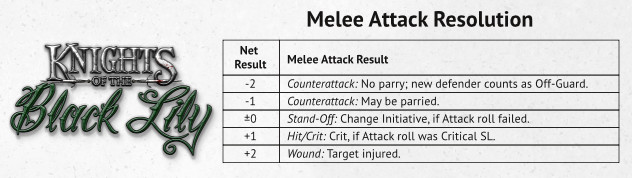 The heart of combat
As we have introduced in our last blogpost, the close combat system of Knights of the Black Lily works differently from nearly all other existing close combat systems in that attacks do not alternate, This is done to faithfully emulate the dynamics of cinematic combat with its sequenced attacks – this time around, we’ll have a closer look at how it works. At the center of the combat system is the Melee Attack Resolution Table, which not only gets referenced constantly in actual play but is also short, intuitive and very easy to memorize – it’s in fact so simple that you and your players will naturally know it effortlessly from the top of your heads after the first one or two sessions of play. Following the general philosophy of Knights of the Black Lily by adding mild complexity in order to greatly adhere more to genre standards, this table is what makes all the various parts of the combat system come together… Read More
 The problem with definitions
 Knights of the Black Lily is what we call dystopian black fantasy, a distinctly flavored form of dark fantasy. The darkness in dark fantasy may come in many forms but for us none of them is as interesting to explore as the darkness that lies within ourselves. And as you will discover in the blogpost below, Knights of the Black Lily has more than its own fair share of demons and other common elements of horror. To us, however, none of those even come close to the terror induced by the things we do – or our own kind. That is why we have chosen the makeup of Ilethrean inhabitants the way it is and as it will be outlined to you below.…
  Rebuilding from the ground up
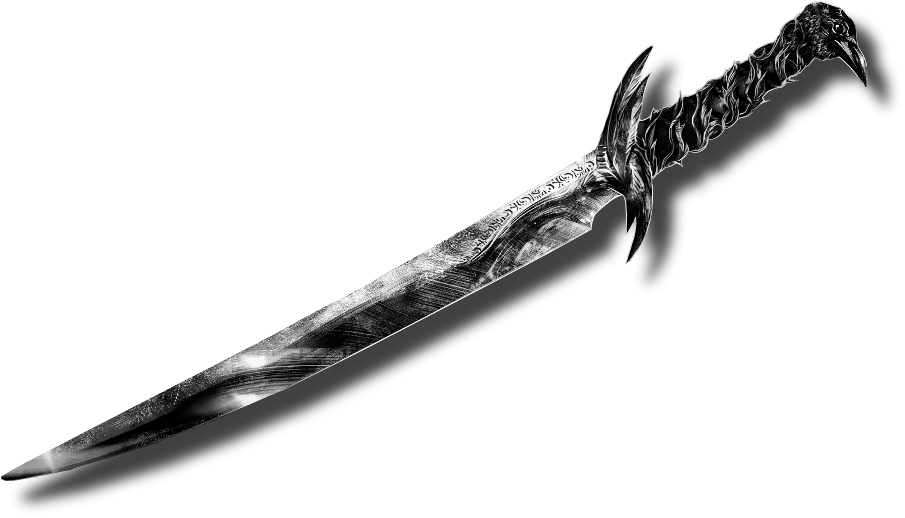 A Responsive Action Economy
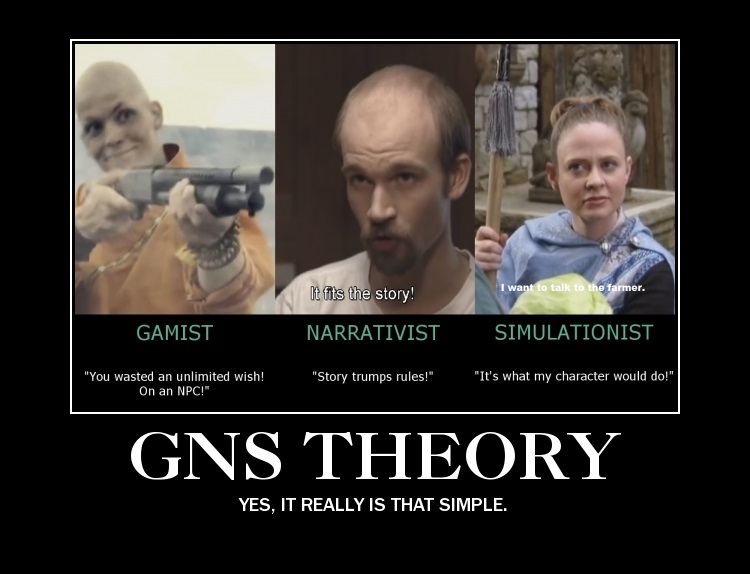 In a recent blog entry, game designer Zak Smith aka Zak Sabbath made a fairly exhaustive attempt at rebuking GNS theory. This post is a response to one of his central contentions. There is a companion blogpost that takes a further look at GNS theory and tries to boil its central components down so that they are easily understandable for everyone. Arguably, the core of Smith’s elaborate rebuttal revolves around a hypothetical scenario of Marvel’s Colossus and Wolverine fighting Mr Sinister, using the famed Fastball Special. This sample scenario is meant, according to Smith, to demonstrate that there are time and again situations in role-playing in which none of the 3 modes of GNS theory (Gamism, Narrativism, Simulationism) get prioritized over one another. A moment of complete blending of the three…
 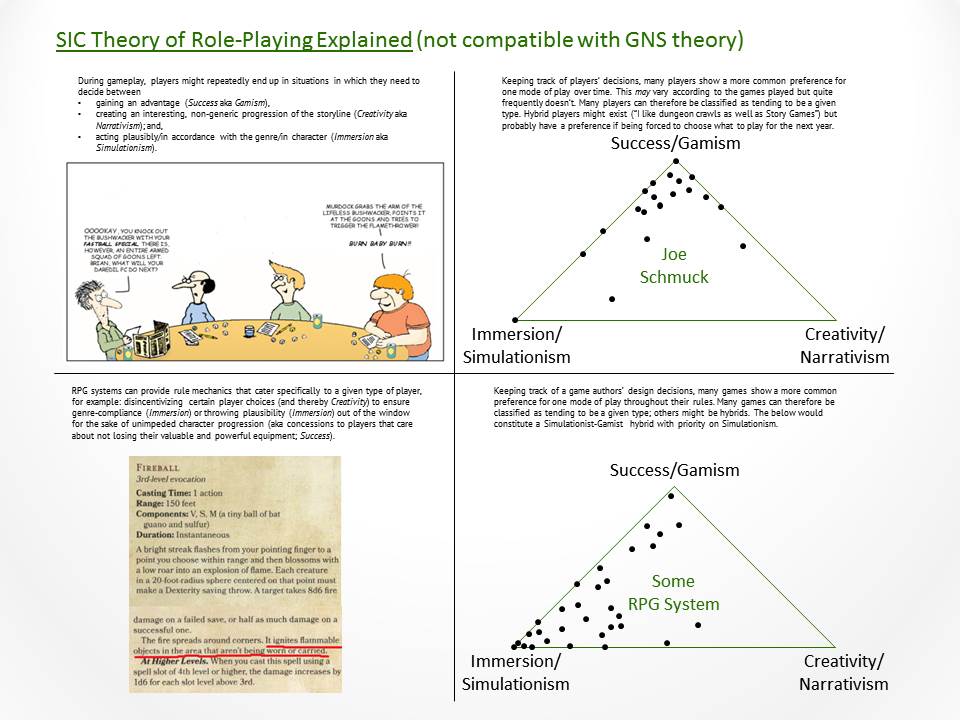 Towards a better understanding
 The Problem: A sometimes overheard complaint about the venerable Call of Cthulhu role-playing game is that the players might collectively fail their test to spot a vital clue. Consequently, the party might get stuck in their investigations indefinitely – which is no fun! The role-playing game Trail of Cthulhu set out to solve the above Call of Cthulhu problem by creating game rules that ensure that so-called core clues can never be missed. This, however, replaces the Call of Cthulhu problem with the Trail of Cthulhu problem: people do like egghunts (that’s why there is an annual, literal egghunt every Easter Sunday), so how do we ensure that there is something at stake for your players in finding the clues and at the same time prevent them from getting stuck indefinitely?
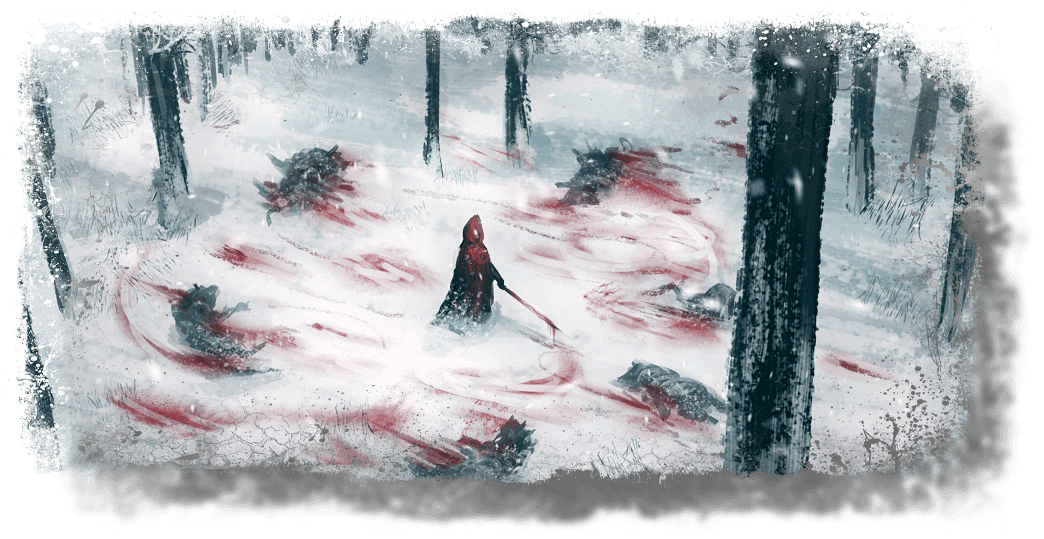 On Challenge-Driven Game Design.
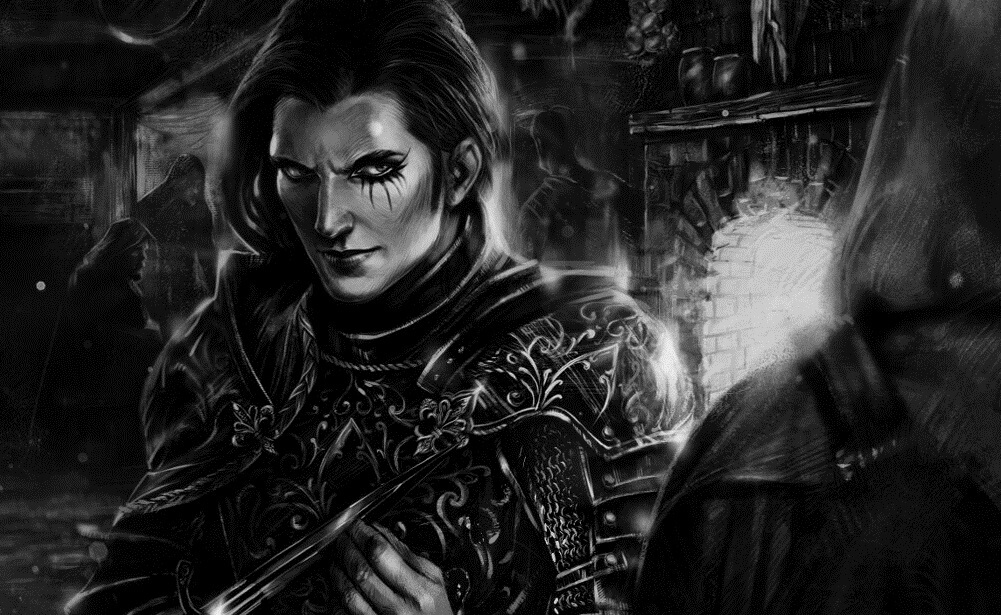 It is an age of turmoil and superstition. Of war and faith. Of uncertainty and opportunity. Having subjugated and succeeded the elven realms, wide swathes of the Ilethrean landmass are firmly under human control. If anything, the slowly but steadily swelling numbers of demons, year-by-year and in a seemingly endless plethora of types, appear to be a looming menace for the ranks of Mankind’s warriors that have split the continent among each other. With each passing year, more and more demons can be seen openly prowling the streets of towns and bustling cities…